Exploring Turkish Citizenship Through Real Estate: A Comprehensive Guide
Turkey has drawn global investors seeking property ownership paired with a path to Turkish citizenship.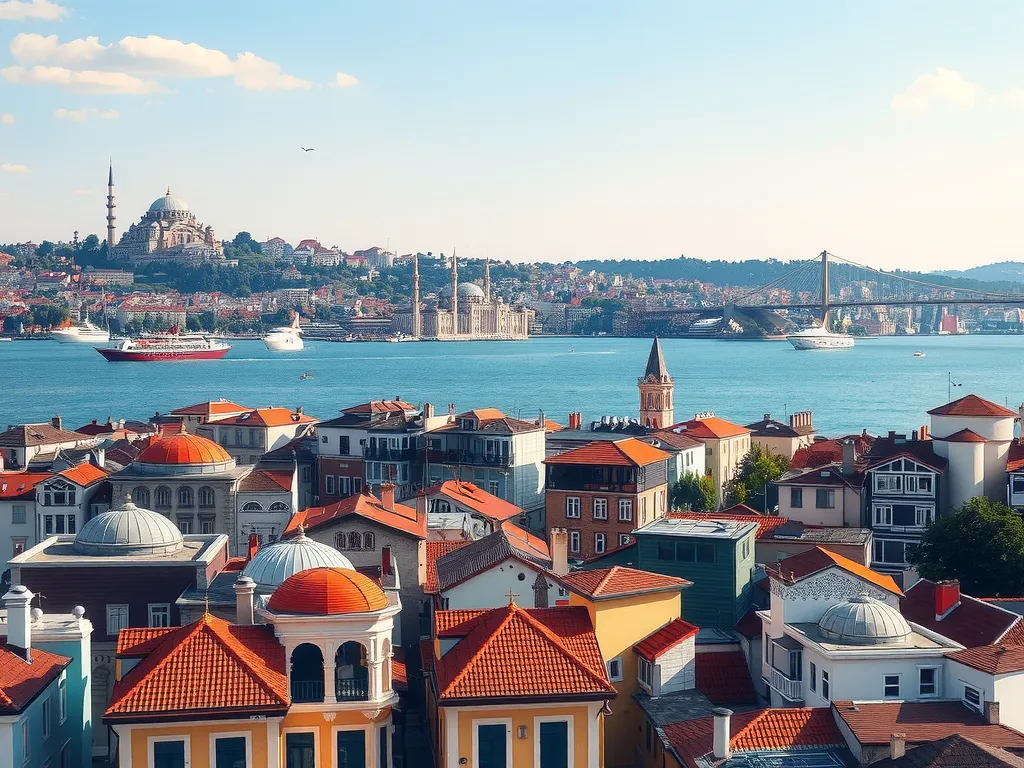 This guide outlines the citizenship-by-investment route, which blends portfolio diversification, mobility, and a hedge against instability. As the market has matured, procedures are clearer and faster, enabling organized applicants to progress from property selection to approval with increasing efficiency.
Straddling Europe and Asia, Turkey offers rich culture, lively cities, and promising real estate, especially in Istanbul. Two major airports, expanding metros, and strong digital infrastructure support remote work and location‑independent living. Investors can buy, lease, and manage properties from abroad through professional managers, pairing an on‑the‑ground asset with global mobility.
Introduction to Turkish Citizenship by Investment
Turkey launched its citizenship-by-investment program to attract foreign capital and energize real estate. The framework lets investors secure citizenship through qualifying property purchases while fueling construction and related services—banking, legal, valuation, and management. Families benefit because one investment can typically include the principal applicant and eligible dependents in a single, coordinated process.
Successful applicants receive full Turkish citizenship and its privileges, including expanded travel options through visa‑free or visa‑on‑arrival access to many countries. Turkey generally allows dual citizenship, enabling applicants to keep their original nationality if permitted. Citizenship also opens public services, broader business and banking access, and the right to live, work, and study nationwide without extra permits.
Real Estate Investment Requirements for Citizenship
Key criteria include a minimum real estate purchase of $400,000 and a three‑year holding period. The property may be used as a residence or rented for income. Applicants can meet the threshold with one asset or a properly structured portfolio acquired within the same application. A title deed annotation blocks sale during the hold while preserving occupancy and leasing rights.
Both residential and commercial properties qualify. Assets must be fully owned and free of liens. A licensed valuation confirms market value, and funds are commonly transferred via Turkish banks to document currency conversion and provenance. Prudent due diligence—checking title records, permits, occupancy certificates, and any association dues—protects the investment and speeds approval.
Detailed Application Process
The typical sequence starts with property selection, legal checks, and a purchase agreement through certified agents. Most applicants obtain a tax ID, open a local bank account, and commission valuation before transferring funds by bank payment. Passports and civil records are translated and notarized, and many investors appoint a lawyer via limited power of attorney to manage signings and registrations.
After closing, applicants compile property documents, obtain a residence permit, and submit citizenship forms. Processing often takes about 3–6 months, during which biometrics, medical insurance for residency, and land registry annotations are finalized. A spouse and dependent children under 18 are usually included. There is typically no language exam or long residency requirement before issuance of a national ID and passport.
Financial and Legal Aspects
Careful financial planning and specialized legal counsel are essential. Expect source‑of‑funds documentation, apostilled or legalized civil records, and sworn translations. Experienced advisors can structure escrow‑like safeguards, vet developers for off‑plan purchases, and coordinate with licensed appraisers and the Land Registry. Remote buyers can execute securely through a narrowly defined power of attorney.
Understand taxes, currency, and banking from the outset. Budget for title deed fees, notarial costs, translations, legal services, and ongoing expenses like insurance and building dues. Compulsory earthquake insurance is standard; broader coverage is prudent. If renting, plan for management and income tax. If selling after the hold, assess capital gains, FX movements, and build an exit strategy early.
Exploring Istanbul’s Real Estate Market for Best Investments
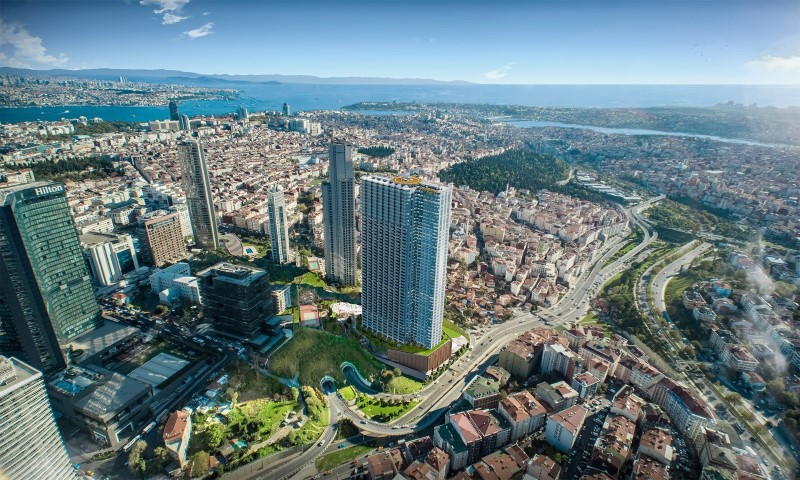
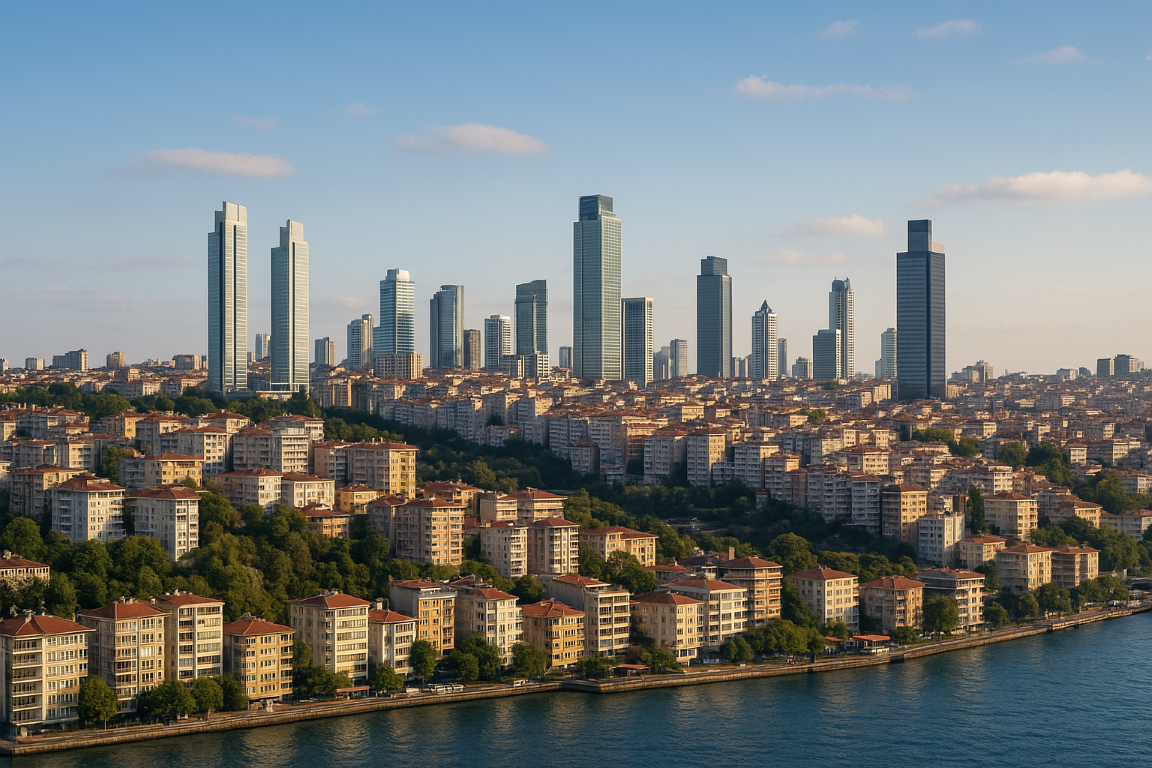
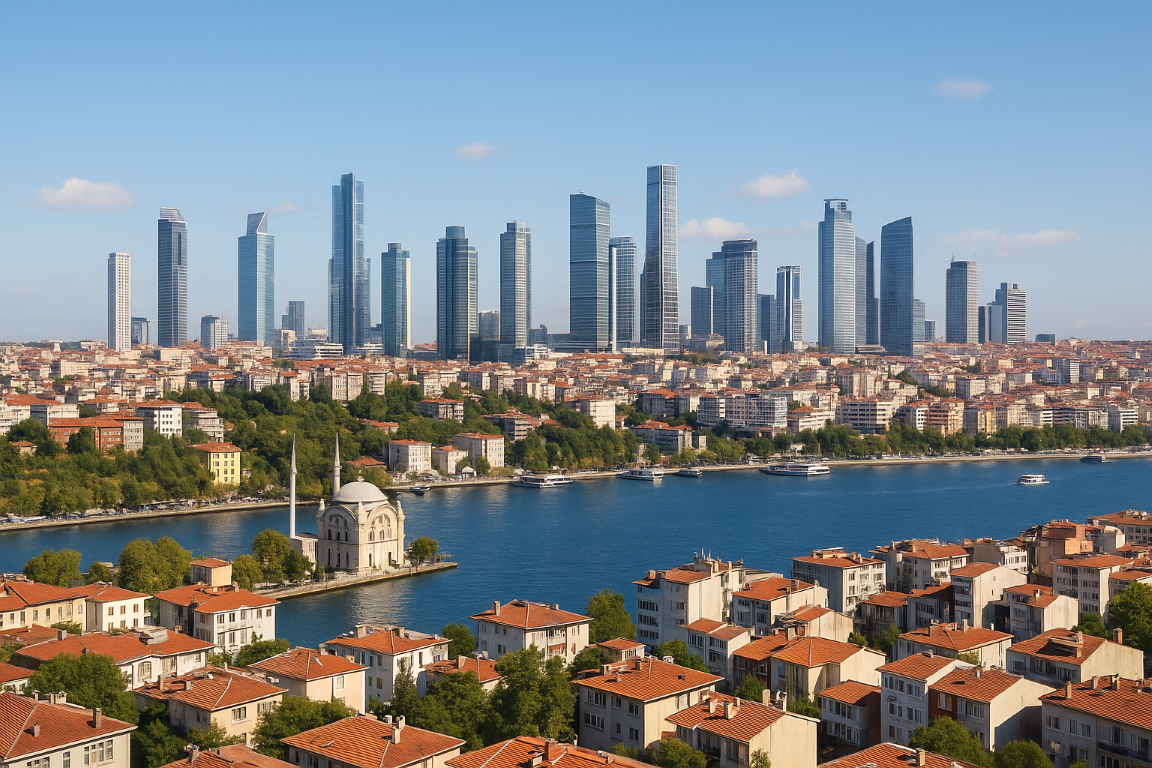
Istanbul blends historic character with modern assets.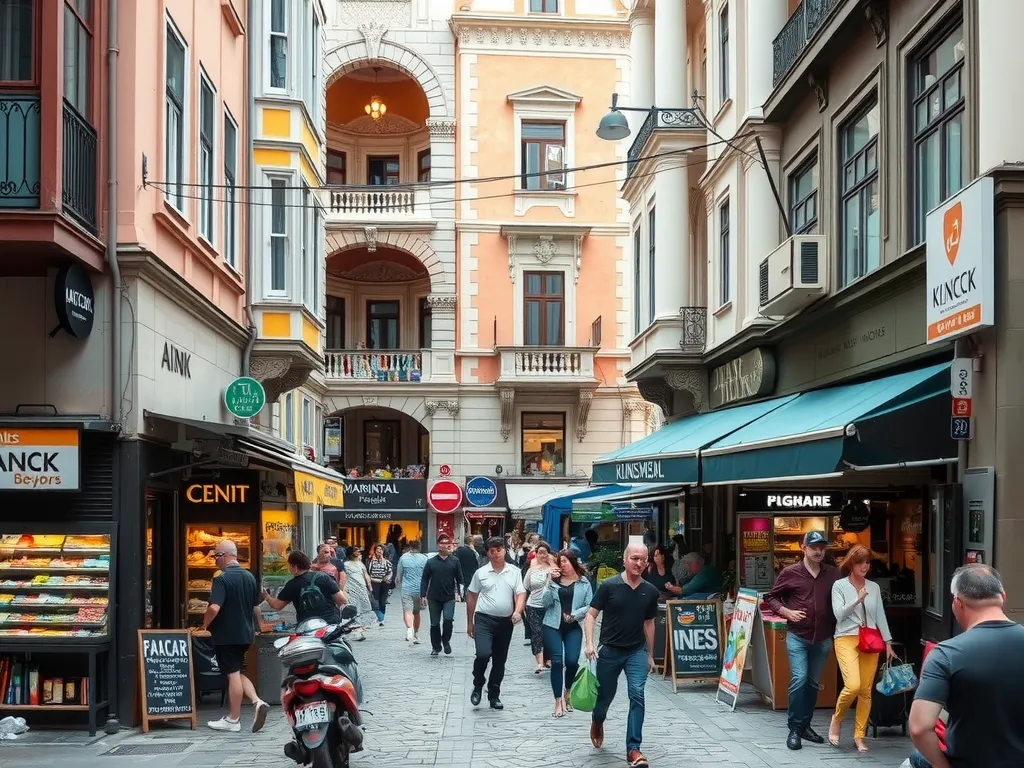 Sought‑after areas include Bosphorus‑side properties, Nişantaşı’s luxury residences, and Levent’s commercial hubs. Investors also target Beşiktaş and Sarıyer for upscale demand; Kadıköy and Moda for creative coastal living; and Maslak or Ataşehir for business‑centric convenience. Access to new metro lines, universities, hospitals, and shopping often underpins resilient pricing, while waterfront views command premiums.
Market dynamics point to enduring interest. Vetted pre‑construction projects can offer attractive pricing, while ready‑to‑move homes reduce construction risk and can be rented immediately. Short‑ and mid‑term rentals are shaped by local rules, so align with compliant practices. Across asset types, emphasize build quality, seismic resilience, and community amenities to enhance livability and long‑term performance.
Living and Investing in Turkey: Beyond Citizenship
Citizenship unlocks a rich lifestyle and wide business options. Turkey’s economy and location make it a strategic base linked to Europe, the Middle East, and Central Asia. Entrepreneurs find straightforward company formation, broad banking access, and a large domestic market. Citizenship reduces administrative friction and helps you respond quickly to regional opportunities, whether building a venture or managing a global career.
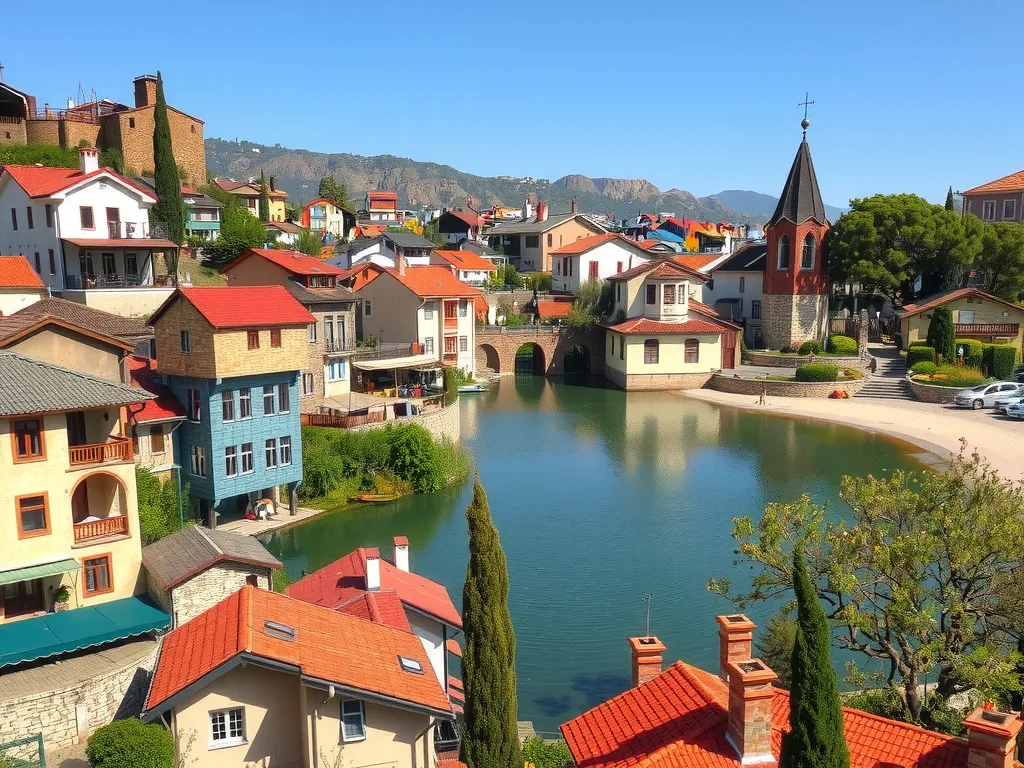
Quality of life is a major draw: celebrated cuisine, iconic landmarks, year‑round festivals, and coastal escapes on the Aegean and Mediterranean. Families value international schools and extensive healthcare networks, and language learners access abundant Turkish and English resources. Many citizens split time between Istanbul’s energy and quieter seaside towns, pairing investment returns with a cosmopolitan, welcoming lifestyle.
Conclusion
Acquiring Turkish citizenship through real estate is more than a financial play—it opens new mobility, business, and cultural horizons. With İstasya Property’s guidance, you can navigate selection, due diligence, filings, and after‑sales support through a transparent plan that keeps milestones on track. The right acquisition can perform today while anchoring multi‑generational flexibility.
Whether you seek a scenic sea‑view apartment or a luxury penthouse in Istanbul, İstasya Property guides every step. Our team curates compliant properties, prepares valuations and legal documentation, and manages translation, banking, and registration so you can focus on strategy. Post‑purchase, we assist with leasing, resale planning, and relocation—from neighborhood orientation to utilities—for a smooth, timely transition to Turkish citizenship.